New Jersey Rideshare Lawyers
Get a
FREE case evaluation today
Over $100M Recovered
We Fight to Get You the Maximum Compensation
Got hurt? get onal.
Verdicts & Settlements
Our team is relentless in pursuing justice and compensation for our clients, using our expertise to deliver exceptional results.
$17.895M
Bus Accident
$5.00M
Brain Injury
$3.35M
Brain Injury
$1.75M
Apt. Fire Injuries
$1.5M
Pedestrian Accident
$1.2M
Motorcycle Accident
Rideshare accidents in New Jersey create a layer of insurance complexity that most people never expect to face. When a crash involves an Uber or Lyft vehicle, questions about who pays, which policy applies, and how to file a claim become tangled quickly.
The answer often depends on what the rideshare driver was doing at the exact moment of the collision, a detail that changes which insurance coverage is available and how much.
Onal Injury Law helps injured passengers, drivers, and pedestrians across New Jersey sort through these layered claims with clarity and discipline. Our firm focuses on serious rideshare injury cases where multiple policies, disputed liability, and corporate insurance structures demand early and structured analysis.
If a rideshare accident in New Jersey left you or a family member with significant injuries, contact our New Jersey rideshare accident lawyers for a free consultation.
Why Choose Onal Injury Law for New Jersey Rideshare Accident Claims?
Rideshare injury cases do not follow the same path as a standard car accident claim. They involve corporate insurance policies, app-based driver status records, and coverage thresholds that shift depending on the circumstances. Handling these cases well requires a firm that prepares methodically and understands how each layer connects.
Accountability at Every Stage
From the first phone call, our clients know who is leading their case and how to reach that person. We assign clear ownership because rideshare claims move through multiple phases, from PIP filings to third-party liability disputes, and coordination matters at every step.
Responsibility for the claim is defined early, not distributed across multiple contacts or rotating associates.
Selective and Intentional
Onal Injury Law is deliberately selective about the rideshare cases we accept. We focus on claims involving serious injuries, disputed coverage, and situations where thorough preparation makes a measurable difference.
That selectivity allows us to commit real time and resources to each case rather than processing a high volume of minor claims.
We offer free consultations on a contingency fee basis, with fees tied to the outcome of the case.




How Rideshare Insurance Coverage Works in New Jersey
The single most important factor in a rideshare accident claim is the driver's status on the app at the time of the crash. Uber and Lyft structure their insurance in phases, and each phase triggers a different level of coverage.
Phase 1: App Off
When a rideshare driver is not logged into the Uber or Lyft app, the company provides no coverage at all. The driver's personal auto insurance is the only policy in play. For someone injured by an off-duty rideshare driver, the claim follows the same process as any other car accident in New Jersey.
Phase 2: App On, Waiting for a Ride Request
Once a driver logs in and begins waiting for a ride request, Uber and Lyft provide limited contingent liability coverage. This typically includes lower liability limits that apply only if the driver's personal policy does not cover the loss.
Coverage during this phase is significantly less than during an active trip.
Phase 3: En Route to Pick Up or Carrying a Passenger
This phase activates the highest level of coverage. Both Uber and Lyft maintain liability policies of up to $1 million for accidents that occur while a driver is en route to a passenger or actively transporting one. Uninsured and underinsured motorist coverage may also apply during this phase.
Identifying the correct phase requires app data, GPS records, and trip logs. Our firm requests this information early because rideshare companies do not always release it without a formal demand.
Determining which phase applies to your accident is one of the first steps we take. Reach out to our team to review how coverage applies in your specific situation.
What Makes New Jersey Rideshare Claims Different?
Beyond the layered insurance structure, New Jersey's own insurance laws add another dimension to rideshare accident cases. Understanding how state law interacts with corporate rideshare policies is essential to building a viable claim.
New Jersey's No-Fault Insurance System
New Jersey operates as a no-fault state for auto accidents. This means that Personal Injury Protection, commonly called PIP, typically covers initial medical expenses and lost wages regardless of who caused the crash.
PIP applies first in most rideshare accidents, whether the injured person is a passenger, another driver, or a pedestrian.
However, PIP has limits. Once medical costs or injury severity crosses certain thresholds, injured parties may pursue additional compensation through a liability claim against the at-fault party. New Jersey's limitation on lawsuit thresholds (N.J.S.A. 39:6A-8) determine when that option becomes available.
In plain terms, the type of auto insurance policy you carry, whether a "basic," "standard," or "special" policy, affects your right to sue for pain and suffering after a rideshare accident. This is one of the first things our firm reviews when evaluating a new case.
Multiple Parties, Multiple Policies
A single rideshare accident may involve the rideshare driver's personal insurance, Uber or Lyft's commercial policy, and the at-fault third-party driver's coverage. When a crash happens in an intersection along the New Jersey Turnpike or near Newark Liberty International Airport, a commercial vehicle or government entity may add even more complexity.
Sorting through overlapping policies requires identifying every potential source of coverage early. We identify coverage and liability before delays create pressure on the process, mapping out each policy during the initial investigation so that no available coverage goes unaddressed.
Who May File a Rideshare Accident Claim in New Jersey?
Rideshare accidents affect more than just the people inside the vehicle. New Jersey law allows several categories of injured individuals to pursue claims depending on how the accident occurred.
Individuals who may have a valid rideshare accident claim include:
- Passengers riding in an Uber or Lyft at the time of the crash
- Drivers of other vehicles struck by a rideshare driver
- Rideshare drivers injured by another motorist's negligence while on the job
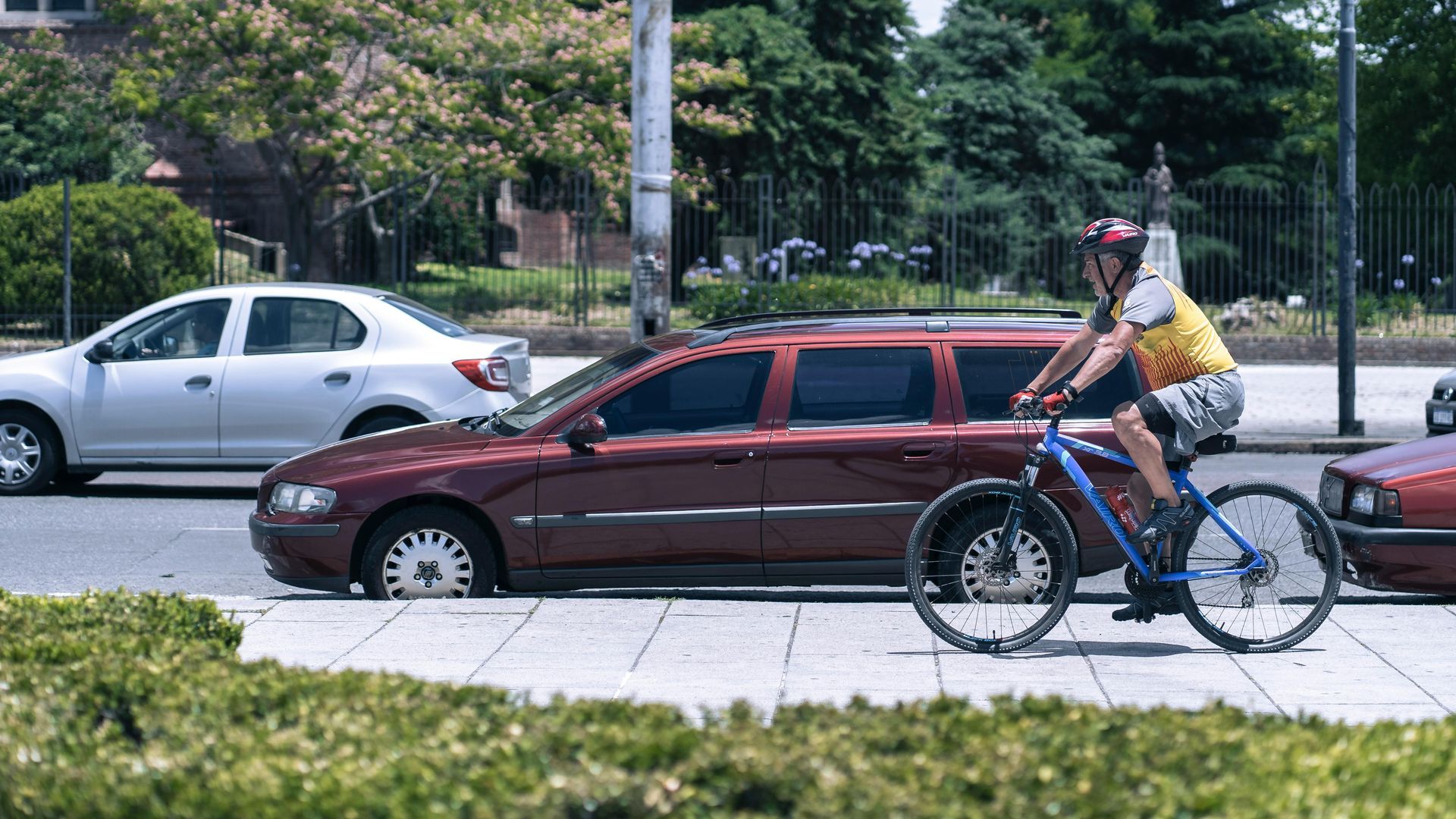
- Pedestrians or cyclists hit by a rideshare vehicle
- Family members of individuals killed in a rideshare-related collision
Each type of claimant faces different insurance pathways and liability questions. A passenger's claim, for example, often involves the rideshare company's $1 million policy directly. A third-party driver's claim may first go through their own PIP coverage before reaching the rideshare driver's insurer.
Understanding where you fit in this structure is one of the first things we clarify during a consultation. Contact us to discuss your claim and learn how coverage may apply to your circumstances.
What Factors Affect the Value of a New Jersey Rideshare Accident Claim?
The value of a rideshare accident claim depends on several factors that are unique to both the accident and the injured person's circumstances. New Jersey law allows recovery for both economic and non-economic losses, but each category requires clear documentation.
Economic Losses
Economic damages cover measurable financial harm. In rideshare cases, these frequently include medical expenses beyond what PIP covers, lost wages during recovery, diminished earning capacity for severe injuries, and costs related to ongoing rehabilitation or therapy.
Non-Economic Losses
For claimants who meet New Jersey's threshold to sue for pain and suffering, non-economic damages may include physical pain, loss of life quality, and the impact of the injury on daily activities and relationships.
Factors that influence the overall value of a rideshare accident claim include:
- The severity and permanence of the injury
- The total cost of past and anticipated medical care
- The length of recovery and its effect on employment
- Which insurance phase was active at the time of the crash
- Whether comparative fault reduces the injured party's recovery
New Jersey follows a modified comparative fault rule under N.J.S.A. 2A:15-5.1. If the injured person holds more than 50 percent of the fault, they may not recover compensation, and any award is reduced by their share of responsibility.
Our attorneys account for comparative fault arguments early in the claim-building process so that the evidence addresses them directly.
How Insurance Companies Approach Rideshare Accident Claims
When a rideshare accident claim is filed, multiple insurance carriers may be involved. Each one reviews the claim from a different angle, and their interests do not always align with the injured person's.
Coverage Disputes Between Carriers
One of the most common complications in rideshare cases is a coverage dispute between the driver's personal insurer and the rideshare company's commercial carrier. Each insurer may argue that the other's policy applies, creating delays while the injured person waits for medical bills to be addressed.
Our firm anticipates these disputes and documents driver status, app activity, and trip data early to limit the opportunity for carriers to shift responsibility between policies.
How Insurers Evaluate Claims
Insurance adjusters review rideshare claims with close attention to documentation, medical records, and coverage applicability. Claims with gaps in medical treatment, unclear evidence of driver status, or limited documentation of financial losses tend to receive lower evaluations.
Thorough preparation at the outset of the case directly affects how the claim is assessed.
Rideshare claims involve more moving parts than a standard auto accident. Having a legal team that understands how carriers evaluate these cases, and that builds the claim to withstand that scrutiny, strengthens the injured person's position throughout the process.
Rideshare Accidents Across New Jersey's Busiest Corridors
Rideshare usage in New Jersey tends to concentrate in areas with the highest traffic density and accident rates. Understanding where these cases originate helps illustrate why local knowledge matters in building a strong claim.
Airport and Urban Hotspots
Newark Liberty International Airport generates a high volume of rideshare pickups and drop-offs daily. The roadways surrounding the airport, including Routes 1 and 9 and portions of the Turnpike, see frequent congestion and lane-change collisions. Jersey City and Hoboken also produce a steady flow of rideshare trips, particularly during commuting hours and weekend evenings.
Commuter Corridors and Suburban Routes
Edison, Elizabeth, and Paterson all experience significant rideshare traffic tied to commuter rail stations and commercial districts.
High-traffic corridors throughout the state consistently account for elevated crash rates.
The Garden State Parkway and Route 22 through Union County are among the routes where rideshare-involved accidents regularly occur.
The Two-Year Filing Deadline
New Jersey's statute of limitations for personal injury claims, including rideshare accidents, is two years from the date of the accident under N.J.S.A. 2A:14-2. Missing this deadline typically bars the claim entirely.
Because rideshare cases require early collection of app data and corporate records, starting the process well before that deadline protects both evidence and options.
FAQs for New Jersey Rideshare Accident Claims
Does Uber or Lyft's insurance apply if the driver was using both apps at the same time?
Many rideshare drivers run both apps simultaneously. The policy that applies depends on which app had an active trip or ride request at the time of the crash. If the driver was logged into both but only matched on one, that company's coverage typically governs.
What if the rideshare driver was an independent contractor, not an employee?
Uber and Lyft classify their drivers as independent contractors in New Jersey. This classification limits direct claims against the companies for driver negligence. However, the corporate insurance policies still apply based on the driver's app status, and additional legal theories may apply in certain circumstances.
Do rideshare accident claims go to court, or do they settle?
Most rideshare accident claims in New Jersey resolve through negotiated settlements with the applicable insurance carriers. However, some cases proceed to litigation when insurers dispute liability, coverage phase, or the extent of injuries. Our firm prepares every case as though it may go to trial in New Jersey Superior Court.
What if my own car insurance is minimal and PIP runs out?
When PIP benefits are exhausted, the remaining medical expenses and losses may be pursued through the at-fault party's liability coverage or the rideshare company's commercial policy. The available path depends on who caused the accident and which coverage phase was active.
Is there a difference between filing a claim as a rideshare passenger versus another driver?
Passengers generally have a more direct path to the rideshare company's $1 million commercial policy during an active trip. Other drivers typically file through their own PIP first and then pursue the rideshare driver's coverage or the company policy, depending on fault and app status. The claims follow different procedural tracks even when the same accident is involved.
Your Situation Is Complex, but Getting Answers Is Not
Rideshare accidents create confusion that many people are not prepared for. Multiple insurance companies, overlapping policies, and corporate claims processes make the path forward feel unclear. That confusion is not a reason to wait. It is the reason to talk with a New Jersey rideshare accident lawyer who understands how these cases unfold.
Onal Injury Law handles rideshare injury cases on a contingency fee basis, with fees tied to the outcome of the case. Consultations are free, and our team of New Jersey rideshare accident lawyers is available to review your claim and explain how coverage applies to your specific circumstances.
Contact us online or call 201-335-6788 to speak with our team about your rideshare accident case.










Let’s talk about your case
Fill out the form to set up a free consultation!