New york Car Accident Lawyers
Get a
FREE case evaluation today
Over $100M Recovered
We Fight to Get You the Maximum Compensation
Got hurt? get onal.
Verdicts & Settlements
Our team is relentless in pursuing justice and compensation for our clients, using our expertise to deliver exceptional results.
$17.895M
Bus Accident
$5.00M
Brain Injury
$3.35M
Brain Injury
$1.75M
Apt. Fire Injuries
$1.5M
Pedestrian Accident
$1.2M
Motorcycle Accident
After a car accident in New York, the path to compensation does not start with a lawsuit. It starts with your own insurance company. New York's no-fault system requires injured drivers and passengers to file claims through their own Personal Injury Protection coverage first, regardless of who caused the crash.
Only when the injury meets a specific legal standard does the option to sue the at-fault driver become available. That two-step structure shapes every car accident claim in the state and catches many people off guard.
Our New York car accident lawyers at Onal Injury Law help individuals across the state navigate both stages of that process, from no-fault filings through serious injury litigation.
We represent people with significant injuries in Manhattan, Brooklyn, Queens, Long Island, Westchester, and communities upstate.
Speak with our team to determine whether your injuries qualify for a claim beyond no-fault. Consultations are free.
Why Onal Injury Law for New York Car Accident Cases?
Car accident cases in New York hinge on the interaction between the no-fault insurance system and the serious injury threshold. Evaluating that interaction correctly at the beginning of the case determines whether a broader claim is viable and how it proceeds.
That early analysis is central to how we handle every case.
The Threshold Question Drives the Strategy
Before developing any legal strategy, the first task is determining whether the injury meets the standard required to move beyond no-fault.
That evaluation involves reviewing the medical records, coordinating with treating physicians about documentation, and assessing which statutory category the injury may satisfy.
The attorney assigned to the case manages this process directly and remains the single point of contact through resolution.
Claims That Justify the Investment
We take on car accident cases involving injuries serious enough to support litigation: fractures, surgeries, permanent limitations, and conditions that affect the ability to work or live independently. That selectivity allows the preparation each case receives to match the stakes involved.
We provide free consultations and handle car accident cases on a contingency fee basis, with fees tied to the outcome of the case.




How Do Car Accident Claims Work Under New York's No-Fault System?
Every car accident claim in New York begins with no-fault insurance. Understanding what it covers, where it falls short, and when the process shifts to a liability claim is essential.
What No-Fault Benefits Provide
New York requires every auto policy to include PIP coverage. PIP pays for medical expenses, a portion of lost wages, and certain out-of-pocket costs up to $50,000. These benefits apply automatically and require no showing of fault. The injured person files through their own insurer.
PIP covers hospital bills, diagnostic imaging, physical therapy, and related treatment costs during the early stages of recovery.
Where No-Fault Falls Short
PIP does not cover pain and suffering. It does not address long-term earning capacity loss. And its $50,000 cap depletes quickly when injuries require extended treatment, surgery, or rehabilitation.
Once PIP reaches its limits, the question becomes whether the injury qualifies for a lawsuit against the at-fault driver. That answer depends entirely on the serious injury threshold.
Reach out to our team to review how no-fault applies to your accident and whether additional claims may be available.
What Is the Serious Injury Threshold, and Why Does It Control the Case?
The serious injury threshold is the legal dividing line between no-fault benefits and a full lawsuit. Without meeting it, the injured person may not pursue the at-fault driver for pain and suffering, diminished quality of life, or other non-economic damages.
The Legal Standard
Under New York Insurance Law § 5102(d), the injured person must demonstrate that their injury falls into at least one defined category.
Categories that may satisfy the threshold include:
- A bone fracture
- Significant disfigurement
- Permanent loss of use of a body organ, member, function, or system
- Significant limitation of use of a body function or system
- A medically determined injury that prevented the person from substantially performing all daily activities for at least 90 of the 180 days after the accident
Each category demands medical evidence that connects the injury to the accident and demonstrates qualifying severity.
How This Plays Out in Real Life
A driver rear-ended on the Cross Bronx Expressway sustains a herniated disc. PIP covers initial treatment. To pursue the at-fault driver for pain and suffering, the injured driver must produce medical evidence showing the disc injury created a permanent or significant limitation.
Without that documentation, the lawsuit may not survive a motion to dismiss. The medical record must be built with the threshold in mind from the earliest stages of treatment.
How Are Car Accident Cases Investigated and Built?
Once a claim advances beyond no-fault, proving both fault and damages becomes the focus. The investigation at this stage determines the strength of the entire case.
Fault Evidence and Accident Analysis
Police reports, traffic camera footage, witness statements, and physical evidence from the vehicles all help establish what happened.
In multi-vehicle collisions or disputes over right-of-way, accident reconstruction analysis may be necessary to present a clear liability picture.
Medical Evidence and the Carrier's Perspective
The medical record is the backbone of every car accident claim in New York. Records must document the initial diagnosis, the course of treatment, and the injury's ongoing functional impact.
Key types of evidence that strengthen a New York car accident claim include:
- Emergency room records and diagnostic imaging from the date of the accident
- Follow-up treatment records showing the progression of the injury
- Specialist evaluations connecting the injury to long-term limitations
- Employment records documenting time missed from work
- Testimony from treating physicians about prognosis and permanency
Insurance carriers on both sides of the claim review this evidence closely. The injured person's own PIP insurer may request independent medical examinations to evaluate whether treatment remains necessary.
The at-fault driver's carrier assesses liability, injury severity, and whether the threshold is satisfied.
Claims with consistent treatment, clear liability evidence, and organized documentation move through both processes more efficiently. Gaps in treatment or documentation give carriers grounds to question the claim's value.
Understanding how carriers assess claims informs how the case is prepared. Every file is built with that evaluation framework in mind, addressing potential weaknesses before they become leverage points in negotiations.
What Types of Car Accidents Lead to Serious Injury Claims in New York?
Not every car accident results in injuries that meet New York's serious injury threshold. The type of collision, the speed involved, and the circumstances of the impact all affect both the severity of injuries and the complexity of the resulting claim.
High-Speed and Highway Collisions
Rear-end impacts, head-on crashes, and sideswipe collisions on highways like I-87, I-95, and the Long Island Expressway often involve speeds that produce fractures, spinal injuries, and traumatic brain injuries.
These cases frequently satisfy the serious injury threshold based on the nature of the impact alone, but the medical documentation must still support the claim with specificity.
Intersection Accidents in Urban Areas
T-bone collisions at intersections account for many of the most serious car accident injuries in New York City and its surrounding suburbs. Disputed liability is common in intersection crashes, particularly when traffic signals, turning lanes, or obstructed sight lines are involved.
These cases often require witness testimony or camera footage to establish who had the right of way.
Pedestrian and Cyclist Involvement
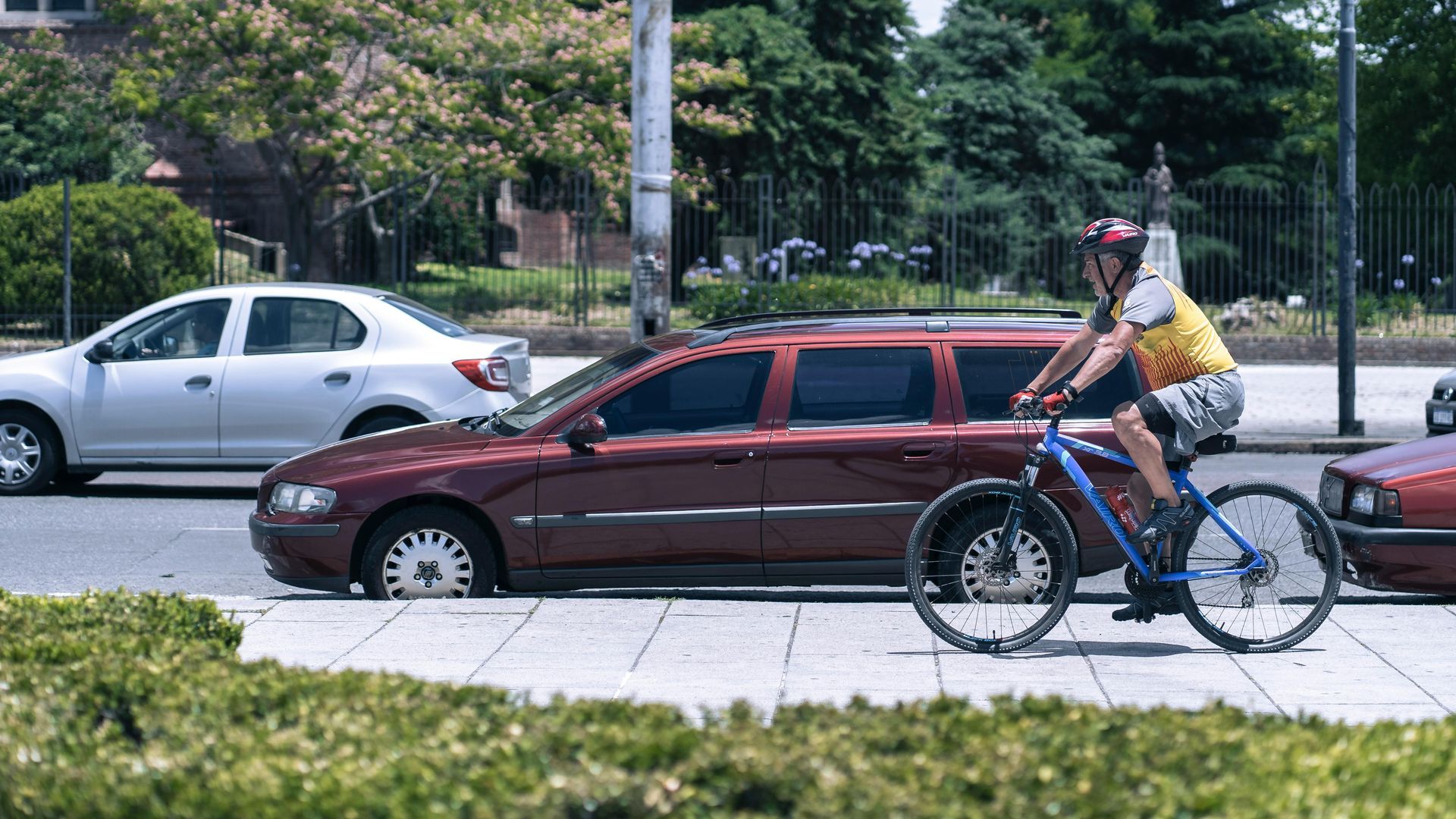
When a car accident involves a pedestrian or cyclist, the injuries tend to be more severe because of the lack of physical protection. These claims may involve both the driver's liability insurance and the injured person's own uninsured motorist coverage.
Liability analysis in pedestrian cases often examines crosswalk compliance, signal timing, and driver visibility.
Multi-Vehicle Chain Reactions
Pile-up accidents on congested highways or during adverse weather create claims with multiple at-fault parties and multiple insurance carriers. Sorting through the liability and coverage picture requires careful reconstruction of the sequence of impacts and the role each driver played.
Each type of accident carries different evidentiary demands and different challenges at trial or in settlement negotiations. The case is shaped by the collision itself, and understanding how each scenario affects liability and damages informs how the investigation proceeds.
What Compensation May Be Available in a New York Car Accident Case?
The damages available depend on whether the claim stays within no-fault or advances to a full liability case.
Within No-Fault
PIP covers medical expenses, partial lost wages, and limited out-of-pocket costs up to the policy maximum. These benefits address economic costs but do not extend to pain and suffering.
Beyond No-Fault
For claimants who meet the serious injury threshold, additional compensation may include:
- Medical expenses exceeding PIP limits, including projected future treatment
- The full amount of lost wages and diminished earning capacity
- Pain and suffering, both physical and emotional
- Loss of enjoyment of life and daily activities
- Impact on personal relationships and independence
New York follows a pure comparative negligence rule under CPLR § 1411. The recovery is reduced proportionally by the injured person's share of fault but is not barred at any percentage. A person found 30 percent at fault receives 70 percent of the total damages.
Contact us to discuss how the damages in your case may be evaluated.
Car Accidents Across New York's Roads and Highways
New York's driving environment varies significantly from one region to another, and accident patterns reflect those differences.
Urban Traffic
City streets in Manhattan, Brooklyn, and Queens handle dense traffic alongside pedestrians, cyclists, and commercial vehicles.
Traffic-related injuries remain a persistent concern across the five boroughs. Intersections along Queens Boulevard, Atlantic Avenue in Brooklyn, and the FDR Drive in Manhattan consistently rank among the most dangerous.
Suburban and Upstate Highways
Outside the city, I-87 (the New York State Thruway), I-95 through Westchester, and routes across Long Island often involve higher speeds and more severe impacts.
Winter conditions, including ice, snow, and reduced visibility, contribute to crash rates in upstate regions and the Hudson Valley during colder months.
Filing Deadlines
The statute of limitations for car accident claims is three years from the date of the accident under CPLR § 214. Claims against government entities require a notice of claim within 90 days under General Municipal Law § 50-e. Missing either deadline may permanently bar the claim.
FAQs for New York Car Accident Claims
What if the other driver does not have insurance?
Uninsured motorist coverage under the injured person's own policy may provide a path to recovery. New York requires all auto policies to include this coverage. The claim is filed through the injured person's own carrier and follows a process similar to arbitration rather than a traditional lawsuit.
What if my PIP claim is denied or benefits are cut off early?
PIP disputes are handled through no-fault arbitration, a process separate from the liability claim. If the insurer denies treatment or terminates benefits, the injured person may challenge the decision through this system. PIP disputes and the liability case proceed on independent tracks.
What if the accident involved a rideshare vehicle or commercial truck?
Accidents involving commercial vehicles, rideshare cars, or government vehicles may introduce additional insurance policies, regulations, and liable parties. These cases often require investigation beyond what a standard two-vehicle collision demands.
What if I did not seek medical treatment right away?
Delays in treatment create a gap in the record that carriers may reference when assessing the connection between the accident and the claimed injuries. Early medical evaluation and consistent follow-up strengthen that connection and support the claim's credibility.
What if the accident happened in a construction zone or work area?
Accidents in active construction or work zones may involve additional liable parties, including contractors, government agencies responsible for traffic control, and companies managing the work zone. Liability extends beyond the other driver and may involve multiple insurance policies.
Getting Answers Is Simpler Than You Think
A car accident in New York raises questions about insurance, legal thresholds, and financial recovery that do not have obvious answers.
The no-fault system and the serious injury standard both affect how the claim proceeds, and understanding where your case stands starts with one conversation.
Onal Injury Law handles car accident cases on a contingency fee basis, with fees tied to the outcome of the case. Consultations are free.
Call 201-335-6788 or contact us online to speak with our team about your New York car accident case.








Let’s talk about your case
Fill out the form to set up a free consultation!