New york lyft Accident Lawyers
Get a
FREE case evaluation today
Over $100M Recovered
We Fight to Get You the Maximum Compensation
Got hurt? get onal.
Verdicts & Settlements
Our team is relentless in pursuing justice and compensation for our clients, using our expertise to deliver exceptional results.
$17.895M
Bus Accident
$5.00M
Brain Injury
$3.35M
Brain Injury
$1.75M
Apt. Fire Injuries
$1.5M
Pedestrian Accident
$1.2M
Motorcycle Accident
A Lyft accident in New York raises a set of questions that do not come up in a standard car crash. Which insurance policy pays depends on whether the driver had an active ride, was waiting for a match, or was logged out of the Lyft app entirely.
That single detail governs whether Lyft's commercial policy applies, whether the driver's personal coverage is the only option, or whether both carriers end up disputing responsibility while the injured person waits.
On top of that, New York's no-fault system layers PIP benefits and the serious injury threshold into the same claim.
Onal Injury Law represents Lyft accident victims with serious injuries throughout New York, including Long Island, the Hudson Valley, Westchester, upstate communities, and the five boroughs.
Talk to our New York Lyft accident lawyers to find out how Lyft's coverage applies to your specific accident. Consultations are free.
Why Choose Onal Injury Law for New York Lyft Accident Cases?
Lyft accident claims may collapse or stall when the coverage question is not answered early. A driver's personal insurer denies the claim because the app was open.
Lyft's carrier argues the driver was between rides. Meanwhile, medical bills accumulate and PIP benefits run toward their $50,000 limit.
Cutting through that dispute requires Lyft's internal trip data, and obtaining it requires a formal legal demand submitted before the records are purged on a routine schedule.
That sequence, from preservation demand to coverage resolution, is the most time-sensitive part of a Lyft accident case and the area where mishandling creates the most damage to the claim.
We take Lyft cases where injuries are significant, coverage is genuinely contested, or the driver's app activity at the time of the crash creates a real legal question. One attorney manages both the no-fault filing and the liability claim for each case.
Free consultations are available, and Lyft accident cases are handled on a contingency basis, with fees tied to the outcome.




How Does New York's No-Fault System Apply to a Lyft Accident?
New York's no-fault rules apply to Lyft accidents the same way they apply to any motor vehicle collision. PIP benefits come first, and the serious injury threshold must be met before a broader lawsuit proceeds.
PIP as the First Layer
Personal Injury Protection covers medical expenses and a portion of lost wages up to $50,000 after any auto accident in New York, regardless of fault. In a Lyft accident, PIP typically flows through the injured person's own auto insurer.
Passengers who do not carry a personal policy may access PIP through the Lyft driver's coverage.
PIP handles early treatment costs but does not cover pain and suffering. Its limit runs out quickly when injuries require surgery, hospitalization, or ongoing rehabilitation.
The Serious Injury Threshold
To pursue the at-fault party for pain and suffering, the injured person must demonstrate a qualifying serious injury under New York Insurance Law § 5102(d). Lyft's commercial policy does not waive or replace this requirement.
Once the threshold is met, the liability claim proceeds and Lyft's coverage becomes relevant to the damages beyond PIP.
How Does the Driver's Lyft Activity Determine the Available Coverage?
Lyft's insurance is not a single policy that covers every accident involving one of its drivers. The coverage level is governed by how the ride was logged in Lyft's system at the moment of the crash.
Driver Logged Out of Lyft
When the app is closed, Lyft provides zero coverage. The driver's personal auto policy is the only source available. The claim proceeds like any other car accident in New York.
Driver Online but Unmatched
Once the driver opens the Lyft app and begins waiting for a ride request, limited contingent coverage activates. Liability limits during this period are substantially lower than during an active trip, and the coverage only triggers when the driver's personal insurer does not fully cover the loss. This phase produces the most coverage disputes because both carriers frequently deny primary responsibility.
Active Ride in Progress
From ride acceptance through passenger drop-off, Lyft maintains up to $1 million in commercial liability coverage. Uninsured and underinsured motorist protection also applies.
Coverage questions during this phase are more straightforward because Lyft's commercial policy clearly governs.
Proving which phase was active at the time of impact requires Lyft's trip data: timestamps, GPS logs, and driver activity records. None of this is shared voluntarily.
A formal preservation request must go to Lyft's legal department before the data is overwritten.
Talk to our team about which coverage phase applies to your Lyft accident and what that means for the claim.
What Makes Lyft's Claims Process Different in Practice?
Beyond the insurance framework, the process of filing and pursuing a Lyft accident claim has characteristics that set it apart from both standard auto claims and claims involving other rideshare platforms.
Lyft's In-App Reporting System
Lyft provides an in-app mechanism for reporting accidents. Both drivers and passengers may submit reports after a crash, which triggers Lyft's internal safety review and connects the incident to the company's commercial carrier.
The report creates a paper trail but does not determine liability or settle coverage questions.
How Lyft's Insurance Carrier Handles Claims
Lyft does not process claims directly. Its commercial carrier manages the investigation, reviews medical records and police reports, and assesses how coverage applies.
The carrier evaluates the claim based on the documentation provided and the trip data confirming the driver's app status. Claims with preserved data and complete records move through this process more efficiently than those with missing pieces.
The Waiting-Phase Coverage Dispute
Many of the most contested Lyft claims involve accidents during Phase 2, when the driver was online but had not matched with a rider.
During this window, Lyft's contingent coverage is limited, and the driver's personal insurer may deny the claim based on the vehicle's commercial use. The injured person may find both carriers declining primary responsibility.
Resolving this deadlock requires the trip data showing the driver's exact status, combined with a clear analysis of how Lyft's contingent policy interacts with the personal policy's commercial activity exclusion. This dispute is where Lyft cases most commonly stall without focused legal attention.
Who May Be Liable After a Lyft Accident in New York?
Liability depends on who caused the crash and what role each party played. The responsible parties determine which insurance policies respond and how the claim is structured.
When the Lyft Driver Caused the Collision
If the Lyft driver's negligence caused the crash, the claim targets the driver. Lyft's insurance responds based on app status, but the corporate entity is generally not named as a defendant because Lyft classifies its drivers as independent contractors.
The corporate insurance obligation and direct corporate liability are separate questions.
When a Third Party Caused the Crash
When another motorist, a municipality, or a commercial vehicle operator is at fault, the claim targets that party's insurance. Lyft's uninsured or underinsured motorist coverage may serve as a secondary source if the at-fault party's policy is inadequate.
Parties who may bear responsibility include:
- The Lyft driver, if driver error caused the collision
- A third-party motorist who struck the Lyft vehicle
- A municipality responsible for road defects or signal failures
- A commercial vehicle operator or employer
- A vehicle owner, if the Lyft driver was operating a borrowed or rented car
Each responsible party introduces a separate insurance policy into the claim. Mapping who is liable and which policies respond determines how the claim is filed and what recovery is realistic.
Reach out to discuss your Lyft accident and learn which parties and policies may be involved.
What Compensation May Be Pursued After a Lyft Accident?
PIP covers a portion of economic losses automatically. Beyond PIP, the damages available depend on whether the injury clears the serious injury threshold and which coverage phase was active.
For injuries meeting the threshold, additional recovery may include medical expenses beyond PIP limits, lost wages and diminished earning capacity, pain and suffering, loss of daily function and independence, and long-term care costs for catastrophic injuries.
Variables that affect how a Lyft accident claim is assessed include:
- Which coverage phase was active at the time of the crash
- The severity and permanence of the injuries
- Total medical costs, past and projected
- The strength of the evidence establishing fault
- Whether comparative fault under CPLR § 1411 reduces the recovery
New York's pure comparative fault rule reduces the award proportionally but does not bar it at any level.
Lyft Accidents Across New York State
Lyft operates throughout New York, and accident patterns track the areas with the highest ride demand.
Airports and Transit-Linked Demand
JFK, LaGuardia, and regional airports in Westchester and Long Island generate significant Lyft pickup and drop-off volume. Access roads surrounding these airports see frequent low-speed collisions tied to congestion, merging, and passenger loading.
Lyft activity also concentrates around commuter rail stations across the metropolitan area and into the Hudson Valley.
City and Suburban Corridors
Within New York City, Lyft demand peaks in Manhattan, downtown Brooklyn, and transit-connecting corridors in Queens and the Bronx. Outside the city, I-87, I-95, and the Long Island Expressway see regular Lyft traffic linked to commuting and evening entertainment.
Filing Deadlines
The statute of limitations for Lyft accident claims is three years under CPLR § 214. Claims involving government vehicles or road defects require a notice of claim within 90 days under General Municipal Law § 50-e.
Because Lyft accident claims depend on company-held trip data with a limited retention window, starting the process early protects both the evidence and the options available.
FAQs for New York Lyft Accident Claims
What if I did not have my own car insurance when the Lyft accident happened?
Lyft passengers who do not own a vehicle may not carry a personal auto policy. PIP coverage may still be available through the Lyft driver's insurance or through other household auto policies. The specific coverage path depends on the injured person's circumstances.
What if Lyft's insurer says the driver was between rides at the time of the crash?
This is the most common coverage dispute in Lyft accident cases. The insurer may argue the driver was in Phase 1 rather than Phase 3, which dramatically reduces available coverage.
Lyft's trip data, including timestamps showing when the ride was accepted relative to when the crash occurred, is the evidence that resolves this question.
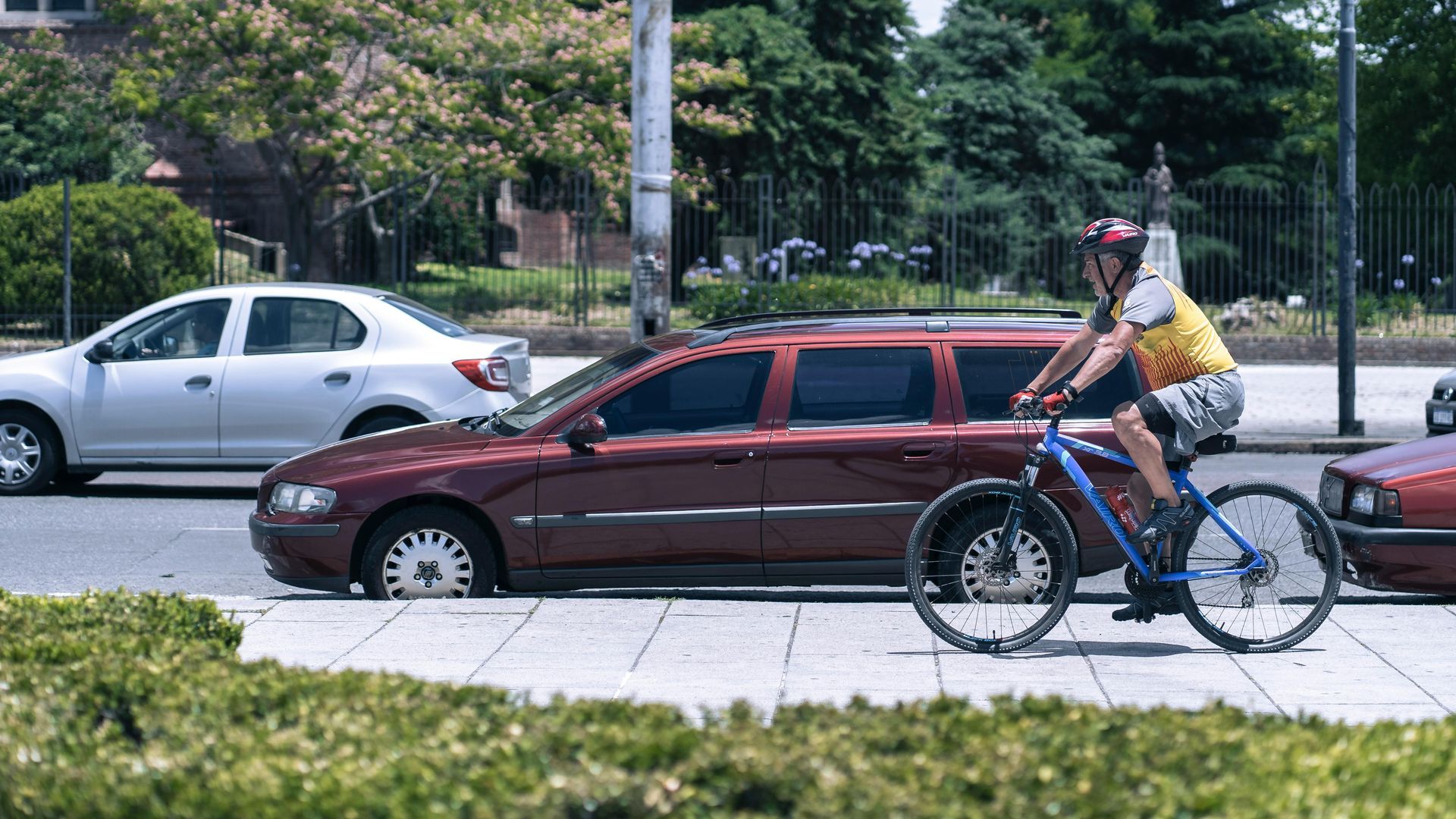
What if I was injured as a pedestrian or cyclist, not a Lyft passenger?
Pedestrians and cyclists injured by Lyft vehicles may pursue claims through the same coverage framework. The Lyft policy that applies is determined by the driver's activity in the app at the time of impact. PIP for the injured person may come through their own auto policy if one exists.
What if the Lyft accident involved a government vehicle?
Claims against government entities follow different procedural rules, including a 90-day notice of claim requirement. These compressed deadlines apply regardless of the standard three-year statute of limitations and make early legal involvement especially important.
What if multiple passengers were injured in the same Lyft accident?
Each injured passenger may pursue a separate claim. Lyft's commercial policy limit applies to the incident as a whole, not per individual.
When multiple passengers file claims from the same accident, the available coverage may need to be allocated among them, which adds a layer of coordination to the process.
Motorcycle passengers may pursue liability claims against the at-fault driver, the rider if the rider was negligent, or any other responsible party.
Passengers face fewer comparative fault challenges because the arguments typically raised against riders, such as speed or lane positioning, generally do not apply to them.
Understanding How Lyft's Policies Apply Is the First Step
A Lyft accident in New York layers Lyft's commercial coverage, the driver's personal insurance, and New York's no-fault system into a single claim.
How those policies interact, which one pays first, and whether the injured person may pursue damages beyond PIP all depend on facts that are specific to the accident.
Getting a clear picture of that interaction before carriers begin disputing responsibility gives the claim its strongest start.
Onal Injury Law handles Lyft accident cases on a contingency basis, with fees tied to the outcome. Consultations are free. Call 201-335-6788 or contact us online to talk through your Lyft accident and learn how coverage applies.










Let’s talk about your case
Fill out the form to set up a free consultation!